
Table of Contents
What Candidates Want in a Job Posting
You’re not imagining it. More people are applying to your jobs, and fewer of them feel like the right fit. We surveyed 240 real jobseekers this August, people actively searching and applying to businesses your size, to find out what’s actually driving that gap. In short, it’s rarely about pay. It’s about what your posting and your process do or don’t tell them. Here are seven things candidates wish you knew, straight from the research.
1. We’re still looking, even while we’re talking to you.
61% of the candidates we surveyed said they were still actively searching, right in the middle of applying or interviewing with you. That’s not a lack of interest in your role, it’s just the reality of the search right now. Every candidate in your pipeline is weighing other options until an offer is actually on the table. That’s part of what candidates want in a job posting from the very first read: a reason to trust you’ll follow through.
What to do: provide fast communication once you’ve decided, and give candidates a reason to trust you’re worth waiting for. A current, easy-to-find careers page that tells a clear story about your team goes a long way here.

2. We check you out before we apply, and AI makes that easier.
75% of candidates used AI somewhere in their search. Mostly that meant polishing a resume, prepping for an interview, or researching an employer, not finding the posting itself. Only 19% used AI tools to actually locate openings.
What to do: don’t spend your energy trying to get AI to recommend your job. Spend it making sure what a candidate, or a chatbot summarizing your reviews for them, finds when they look you up is accurate and current. That points right back to the careers page from point one: keep it linked from your own site and update regularly.

3. Tell us your timeline, or we’ll assume there isn’t one.
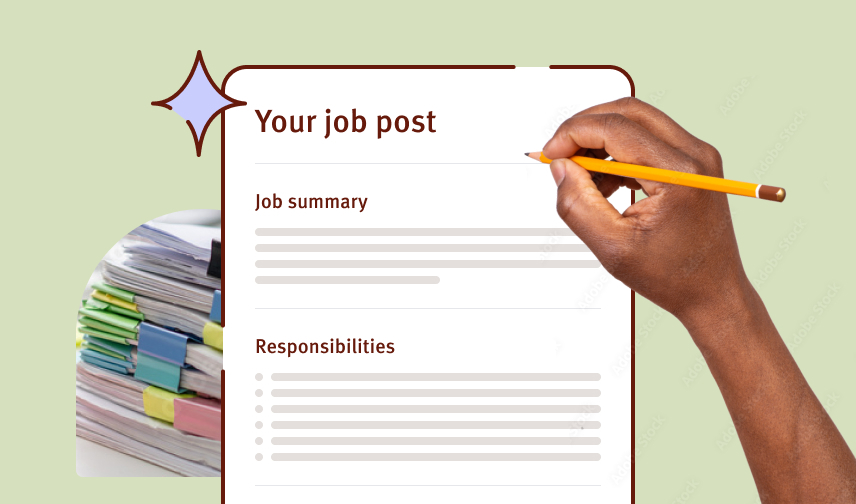
When we asked what candidates want in a job posting, the answer wasn’t pay. It was your hiring timeline: when you’re interviewing, when you hope to have someone started, and what the process actually involves. Very few job postings include these key things.
What to do: add two sentences to every posting. Something like, “We’re interviewing the week of the 15th and hope to have someone started by the 1st. The process is a phone screen, one interview, and a reference check.” It costs you nothing and directly answers the thing candidates say is missing most. Tip: if you can’t be date specific, give ranges, and always be honest.
4. If your application takes longer than ten minutes, we’re gone.
51% of candidates told us a long or complicated application is the top reason they don’t finish one. That’s ahead of poor reviews, and ahead of a posting that looks stale. Once an application runs past ten minutes, most candidates say it starts to feel like too much. It comes down to what candidates want in a job posting: something quick, not something exhausting.
What to do: Set a target of under ten minutes and cut anything that doesn’t help you make a first-round call. Save the rest for the interview stage.

5. If we don’t hear from you in a few days, we assume it’s a no.
49% of candidates expect a response within four days of applying, and 87% won’t wait more than a week for any reply at all. Taking too long to hear back is the single biggest reason candidates told us they lose interest, ahead of pay not matching what they expected.
What to do: acknowledge every application quickly, even when there’s nothing new to report. A quick “we’re still reviewing applications, expect to hear more by X” beats silence every time.

6. A reminder won’t get us to show up. Clarity will.
30% of candidates skipped an interview they’d already scheduled. The top reason they gave was that the employer seemed disorganized. What actually keeps candidates committed isn’t a reminder, it’s clarity. 54% say clear information on what to expect, format, who they’ll meet, how long it takes, is what helps most. That’s well ahead of an email reminder (40%) or a calendar invite (33%). It comes back to the same thing: what candidates want in a job posting is honesty and clarity, not just a well-timed reminder.
What to do: before every interview, tell the candidate exactly what to expect. Send the calendar invite too, but don’t let it do the job clarity is supposed to do. Create email templates in Wizehire to make this step a breeze.
7. What Candidates Want in a Job Posting (Besides Pay)
Career growth came within five points of pay when candidates told us how they choose between offers. That’s not a fluke. Pew Research Center found the same split nationally: among workers who quit a job, low pay and no opportunities for advancement tied exactly, both cited by 63%. You may not be able to out-pay a bigger employer. But you can out-communicate them, and you can offer a real, personal path forward that a bigger employer often can’t.
What to do: talk about growth, not just the job as posted. What does this role look like in a year? What’s the path from here? Say it out loud during the process, not just in the posting.

The Bottom Line on What Candidates Want in a Job Posting
Once you know what candidates want in a job posting, none of the seven things above require a bigger budget, just more clarity, more speed, and more consistency than the process most candidates are used to.
Want help putting any of this into practice as you grow your business? Talk to our team.
Author

Share




 See How It Works